Crypto Casinos in the UK in 2026: How They Work, Benefits, Risks, and What British Players Should Know Before Playing
Crypto Casinos in the UK in 2026: How They Work, Benefits, Risks, and What British Players Should Know Before Playing

Over the past couple of years I've noticed something quietly shifting in how UK players talk about online gambling. Conversations that used to centre entirely on which site offered the best welcome bonus now drift toward Bitcoin, Ethereum, and 'instant withdrawals via wallet' instead. Crypto gambling has gone from a niche curiosity to something a lot of British punters are actively poking at in 2026. The appeal isn't hard to see — faster payments, more privacy, and access to platforms that don't feel boxed in by the usual geographic restrictions. But this corner of the industry is also legally messy, and it's worth knowing exactly what you're walking into before you deposit a single satoshi.
What Is a Crypto Casino?
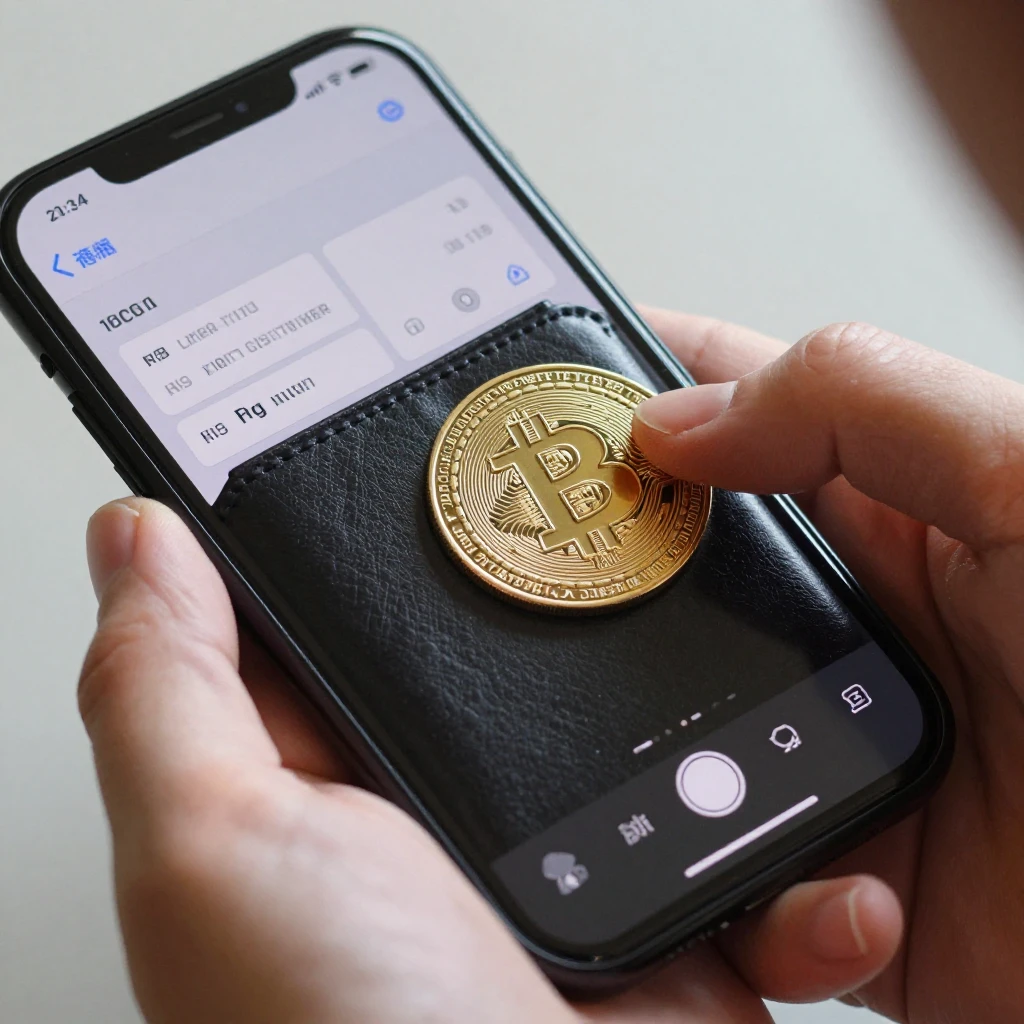
At its simplest, a crypto casino is an online gambling platform that accepts digital currencies — Bitcoin, Ethereum, Litecoin, sometimes stablecoins like USDT — as a way of depositing and withdrawing funds. Some sites go further and let you wager directly in crypto instead of converting everything into a fiat balance first. The games themselves are usually familiar: slots, blackjack, roulette, live dealer tables. What actually changes is the plumbing underneath — how the money moves, and sometimes how fairness itself gets verified.
How Crypto Casinos Differ from Traditional Online Casinos
The most obvious difference is the payment rail. Instead of linking a debit card or bank account, you connect a crypto wallet. That one swap changes a lot — transactions settle on the blockchain rather than through a card processor, meaning fewer middlemen and, often, noticeably faster processing. There's a transparency angle too: plenty of blockchain transactions are publicly viewable, which some players find reassuring just for knowing their funds actually moved somewhere. Licensing is the other big split. Traditional UK-facing casinos are typically regulated by the UK Gambling Commission, while most crypto casinos hold licences from places like Curaçao — a very different regulatory flavour, to put it mildly.
How Crypto Casinos Work for UK Players
If you're a British player curious about trying one of these platforms, here's roughly how it goes. First, you set up a crypto wallet — a software wallet on your phone, or a hardware device if you're the security-conscious type. Then you buy cryptocurrency through a UK-based exchange such as Coinbase or Kraken, which comes with the usual identity verification hoops. Once the crypto's sitting in your wallet, you register on the casino platform (often just with an email address) and generate a deposit address. Send the crypto, wait a few minutes for confirmation, and you're playing. Withdrawals run the same process backwards — request a payout, hand over your wallet address, and the funds generally land far quicker than a traditional bank transfer ever would.
Provably Fair Gaming Explained
One feature that gets marketed pretty hard in this space is 'provably fair' gaming. In plain terms, it's a cryptographic system letting you independently check that a game's outcome wasn't manipulated after the fact. Before a round starts, the server generates a hashed seed; after it ends, you combine that seed with your own client seed and verify the result mathematically. It's a genuinely neat bit of transparency — one that traditional RNG-based casino games just don't offer — and honestly, it's one of the few real technical advantages crypto platforms bring to the table rather than just marketing noise.
Benefits of Playing at a Crypto Casino
So why are British players switching over, or at least dabbling? Speed is the headline act. Withdrawals that might take three to five business days at a conventional online casino can clear in under an hour with crypto. Fast. Genuinely fast. Transaction fees also tend to run lower, since you're skipping card processors and banking intermediaries entirely.
Privacy is another draw worth mentioning. Your bank statement won't show a line item reading 'online casino deposit,' and that matters to a lot of people for reasons that have nothing to do with hiding anything shady — it's just preference. These platforms also tend to be genuinely global, opening up games and promotions that geo-restricted UK sites might not touch, often paired with punchier bonus structures. Players poking around this kind of platform, like a crypto casino, can see these features firsthand — fast payouts, broader game libraries, crypto-specific promos — though I'd still push for proper due diligence before registering anywhere. No shortcuts there.
Risks and Legal Considerations in the UK
And here's where things get a lot more serious. The vast majority of crypto casinos aren't licensed by the UK Gambling Commission. That matters more than it might seem at first glance, because UKGC licensing comes bundled with a whole package of consumer protections — formal dispute resolution if a casino decides not to pay out, mandatory responsible gambling tools, deposit limits, and self-exclusion schemes like GAMSTOP. Step outside that regulated bubble, and you're largely on your own if something goes wrong.
There's the volatility problem too. Deposit £200 worth of Ethereum, and if the price drops 15% overnight, your bankroll has shrunk regardless of how you actually played. Scam risk is real as well — this space has had its fair share of platforms vanishing with user funds, no warning, no refund. And regulators globally are tightening scrutiny on crypto gambling over anti-money-laundering concerns, which could reshape how these sites operate going forward.
Is It Legal to Use a Crypto Casino from the UK?
To be clear on the legal status here: using an offshore crypto casino as an individual player isn't a criminal act in the UK. Nobody's showing up to prosecute you for placing a bet with Bitcoin. But 'not illegal' is a very different thing from 'protected' — these sites typically operate entirely outside UKGC oversight, which means you're playing without the official safeguards regulated UK operators are legally required to provide. It's a legal grey zone, not a legal green light.
How to Choose a Safer Crypto Casino
If you decide to go ahead despite the risks, a bit of homework goes a long way. Here's what I'd actually check before registering anywhere:
- Verify the licence — even an offshore licence from Curaçao or Malta beats no disclosed licence at all.
- Read independent reviews from forums and watchdog sites, not just the glowing testimonials sitting on the casino's own homepage.
- Check withdrawal limits and KYC policies upfront, so there are no surprises the moment you try to cash out a big win.
- Test customer support responsiveness before depositing anything significant — a slow or evasive support team is a red flag worth taking seriously.
- Confirm the provably fair system is actually audited by a third party, not just claimed somewhere in the marketing copy.
Responsible Gambling Tips for Crypto Players
Because many crypto casinos skip the built-in responsible gambling tools UK players are used to, you'll need to be your own safety net here. Set deposit and loss limits manually and actually stick to them — write them down if that helps keep you honest. Keep an eye on crypto value swings too, so you're not accidentally gambling more real-world value than you meant to.
Use self-exclusion features where platforms offer them, even if they're nowhere near as robust as GAMSTOP. And stay honest with yourself about the warning signs — chasing losses, hiding activity, feeling anxious when you're not playing. All worth taking seriously. If things start feeling out of control, organisations like GamCare and the National Gambling Helpline offer free, confidential support, and they're worth reaching out to no matter where or how you're gambling.
Conclusion
Crypto casinos bring genuine innovation to UK online gambling in 2026 — faster payouts, more privacy, verifiable fairness. These are real advantages, not just marketing fluff. But they come paired with real gaps in regulatory protection and real financial risk tied to crypto volatility and offshore oversight. My honest take? Cautious, well-informed participation beats blind enthusiasm every single time. Do your research, prioritise platforms with transparent practices, and never treat this corner of gambling as a shortcut around the protections that regulated UK sites were built to provide in the first place.