How Problem Gambling Affects Mental Health in the UK: Recognising the Warning Signs of Crypto Casinos and Finding Support Through Life Coaching in 2026
How Problem Gambling Affects Mental Health in the UK: Recognising the Warning Signs of Crypto Casinos and Finding Support Through Life Coaching in 2026
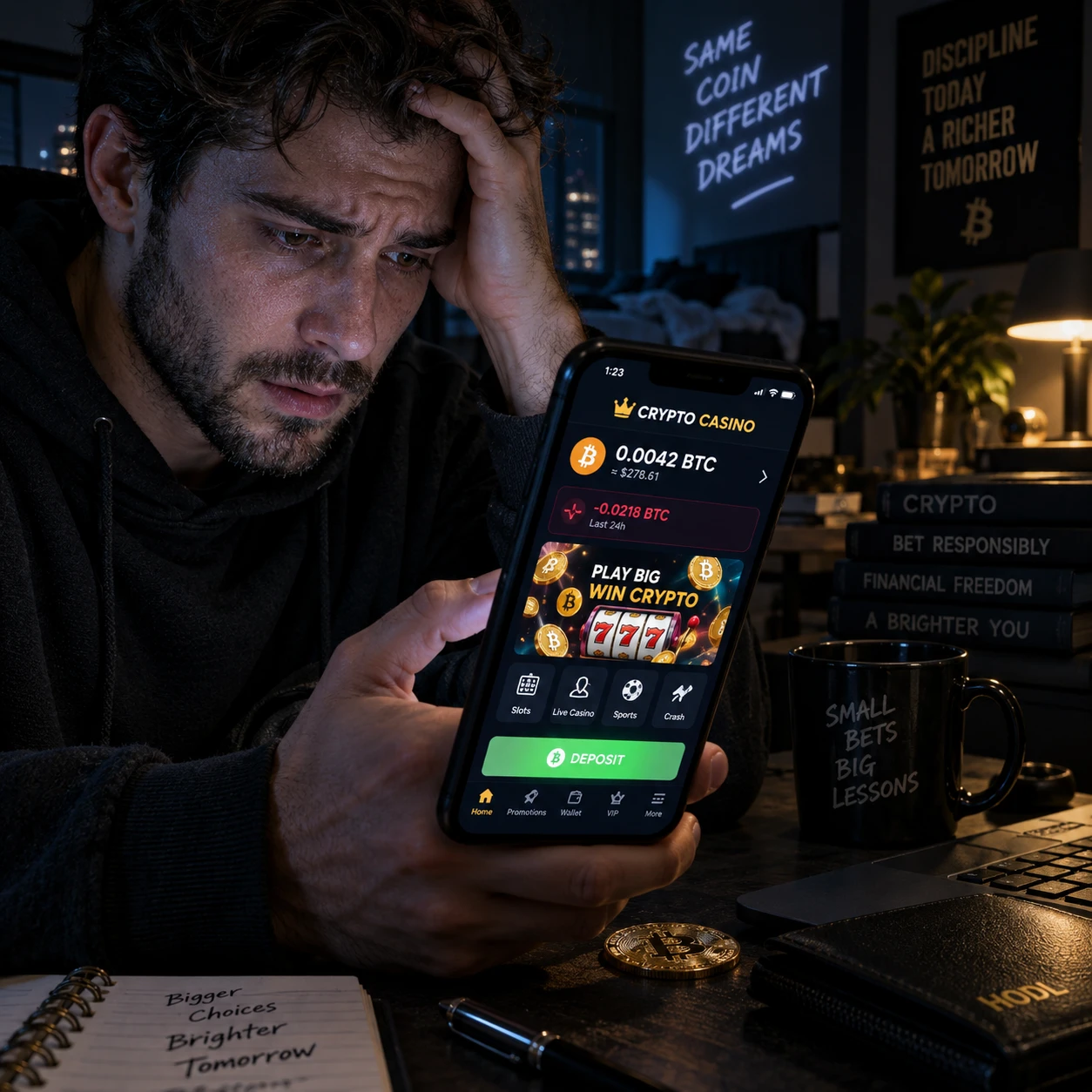
I've spent a fair chunk of the past couple of years talking to people across the UK who've quietly slipped into gambling habits that look nothing like the betting shop culture their parents grew up with. The conversation has shifted. Not slowly, either. Where it used to be fruit machines or a Saturday afternoon accumulator, now it's apps, tokens, platforms that never close. Not ever. Problem gambling hasn't gone away — it's just moved house. And in 2026, it's living online, tucked into corners the UK Gambling Commission can't easily reach.
What worries me most isn't the money, though that's serious enough on its own. It's the mental toll. Anxiety that creeps in at 3am. Depression that settles in quietly, weeks into the secrecy, before anyone notices anything's wrong. More and more, I'm hearing these stories tied to crypto casinos — platforms sitting in a strange grey zone, offering anonymity and round-the-clock access that traditional UK-regulated sites just don't provide. This piece looks at why that matters, how to actually spot the warning signs, and why life coaching has turned into a genuinely useful, low-barrier way to start rebuilding control.
What is Problem Gambling and Why It Matters in 2026
Problem gambling, in clinical terms, is gambling behaviour that disrupts someone's personal, financial, or emotional life — often despite clear and obvious negative consequences. The NHS and various UK health bodies have long recognised it as a behavioural addiction. Not a willpower problem. Not a character flaw. According to Gambling Commission survey data, hundreds of thousands of adults in Britain show signs of problem gambling, with millions more at risk of harm from gambling-related behaviours affecting friends and family.
What's changed, and changed fast, is the delivery mechanism. A decade ago, problem gambling largely meant physical venues or licensed online bookmakers with built-in safeguards: deposit limits, self-exclusion schemes, identity checks. Now a growing slice of gambling activity runs through unlicensed, often offshore platforms that simply don't play by those rules. That shift matters because it's reshaping how addiction develops in the first place, and how hard it becomes to step in early, before things spiral out.
The UK Gambling Landscape in 2026
Regulators have tightened rules around traditional operators quite a bit — affordability checks, stake limits on online slots, stricter advertising restrictions. But here's the irony: that tightening has pushed a portion of gamblers toward less regulated corners of the internet. Offshore crypto gambling sites have multiplied, plenty marketed aggressively through social media, operating entirely outside UK jurisdiction. They're harder to monitor, harder to shut down, and nearly impossible for a worried family member to track once someone's wallet activity drifts off traditional banking rails.
Understanding Crypto Casinos and Their Unique Risks
Crypto casinos are online gambling platforms that take cryptocurrencies — Bitcoin, Ethereum, various stablecoins — instead of pounds sterling. On the surface, they look like any other online casino: slots, poker, sports betting, live dealer games. Underneath, though, the mechanics run differently. And those differences carry real weight when it comes to mental health.
First, there's anonymity. Plenty of crypto casinos ask for minimal identity verification, which means someone can gamble without the checks licensed UK operators are required to run. Second, constant access. No closing time, no geographic restriction, no cooling-off period baked into the platform itself. Third — maybe the most dangerous psychologically — is the volatility of the currency involved. Watching a crypto balance swing wildly adds a layer of emotional intensity that pound-for-pound betting just doesn't replicate.
Put those three together and you get something close to a perfect storm for addictive behaviour. No deposit limits, no mandatory breaks, so the feedback loop between urge and action becomes almost instant. I've talked to people who describe losing track of time completely — gambling through the night, switching between wallets, chasing losses in a currency whose value itself won't sit still. If any of this sounds familiar, in your own life or someone close to you, it's worth knowing that structured, judgement-free support exists specifically for people working through unhealthy patterns tied to crypto casinos — support that doesn't require hitting rock bottom first.
The Mental Health Toll of Problem Gambling
The psychological fallout from problem gambling is well documented. But the crypto element seems to intensify it in oddly specific ways. Anxiety usually shows up first — a persistent, low-level dread about wallet balances, upcoming bills, the next login. Sleep disturbance follows close behind, since crypto casinos never close and there's always 'one more session' sitting there at 2am. Depression tends to creep in as the losses mount and self-esteem wears thin.
Relationships take a hit too, more often than people expect. Partners notice the secrecy before they notice specific numbers. Financial stress compounds everything, especially once savings or shared accounts get drained to fund wallet top-ups. And in the most severe cases — something I never want to understate — problem gambling has been linked to suicidal ideation. UK charities and the NHS have flagged this as a genuine public health concern. Not some fringe issue nobody talks about.
What makes crypto gambling particularly isolating is its solitary, screen-based nature. There's no shared physical space, no bartender clocking that you've been at the machines too long. It's just you, a phone, and a currency that can swing 15% in an afternoon.
The Shame and Secrecy Factor
Anonymity cuts both ways. Yes, it offers privacy. But it also strips away the natural checkpoints that might otherwise prompt someone to pause, to reconsider. Crypto wallets don't show up on bank statements the way a betting transaction would. That secrecy usually means problems fester far longer before anyone — including the person struggling — admits something's wrong. By the time help gets sought, the financial and emotional damage can run considerably deeper than it ever needed to.
Recognising the Warning Signs
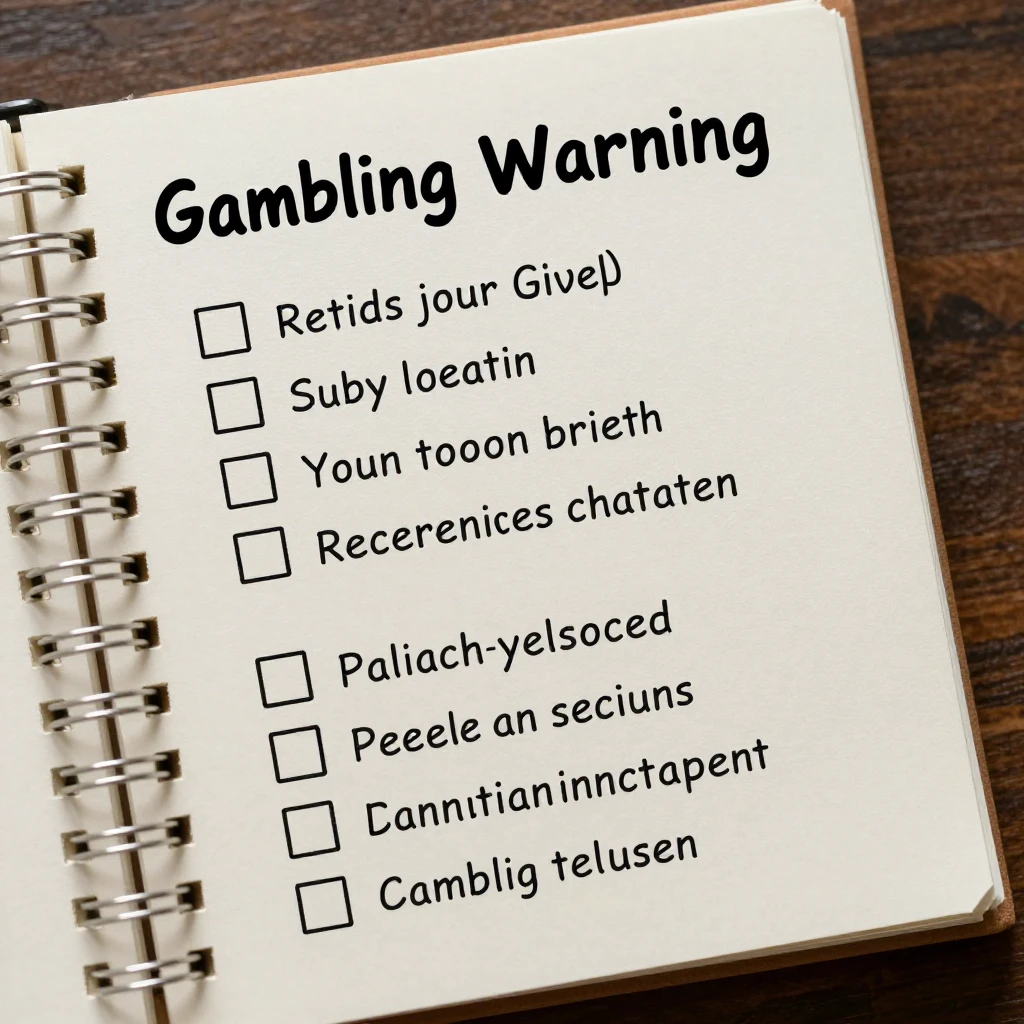
Spotting problem gambling tied to crypto casinos means watching for slightly different clues than traditional gambling tends to throw up. Here's what tends to show up:
- Secretive or defensive behaviour around phone and wallet apps
- Frequently moving money into cryptocurrency for unclear reasons
- Chasing losses by increasing stakes in digital currency
- Borrowing money or using credit specifically to top up crypto wallets
- Withdrawing from social plans, especially evenings or weekends
- Noticeable mood swings that seem to track wins and losses
- Disrupted sleep patterns, often linked to late-night gambling sessions
- Neglecting work, family responsibilities, or basic self-care
Signs in Loved Ones
If you're worried about someone else, the clues are often subtler than you'd expect. Watch for unexplained financial strain, a sudden interest in cryptocurrency 'investing' that doesn't quite add up, increased secrecy around devices, or a general emotional withdrawal that feels out of character. People struggling rarely volunteer this stuff on their own. Approaching the topic gently, without accusation, tends to work far better than confrontation ever does.
How Life Coaching Supports Recovery and Mental Wellbeing
Life coaching isn't a replacement for clinical therapy or addiction counselling, and I want to be clear about that. What it offers instead is practical, forward-focused support: helping someone rebuild daily structure, set achievable goals, develop accountability systems that make relapse less likely. A coach won't diagnose or treat underlying mental health conditions. But they can absolutely help someone who isn't ready for formal clinical treatment yet still wants real, meaningful change.
For plenty of people hesitant about therapy — stigma, cost, sometimes both — coaching offers a lower-barrier way in. It focuses on resilience-building, restoring routine, and spotting triggers before they spiral. Practical tools that complement clinical care, rather than replace it, when that's still needed too.
Practical Steps Toward Recovery in 2026
Recovery rarely comes from a single decision. It's built from small, consistent actions, stacked one on top of the other. Some practical steps worth considering: setting up financial safeguards like blocking crypto exchange transactions through your bank, using self-exclusion tools where they're available (even some crypto platforms offer them now), and connecting with UK-based peer support groups such as Gamblers Anonymous or GamCare.
Combine these efforts with structured coaching and, where it's appropriate, professional mental health support, and you tend to get the most sustainable results. A holistic approach — one that addresses finances, routine, emotional wellbeing, and social connection all at once — gives recovery a far stronger foundation than chasing any single piece alone.
Conclusion
The intersection between crypto casinos and mental health in the UK isn't going anywhere soon. If anything, it's likely to grow more tangled as these platforms keep evolving. What matters most is early recognition, honest conversations, and knowing that support doesn't have to mean jumping straight into clinical treatment. Life coaching offers a practical, stigma-free starting point for anyone ready to take back control in 2026. And sometimes that first conversation is the hardest part — but also the most important step forward.